



Morocco Rose Festival: A Celebration of Beauty and Tradition
The Morocco Rose Festival is one of the most colorful and unique cultural events in Morocco. Held every year in the beautiful Valley of Roses near Kelaat M’Gouna, this festival celebrates the blooming of millions of fragrant roses that cover the region each spring.
Known locally as the Festival of Roses, this event attracts visitors from around the world who come to experience Moroccan traditions, music, and the natural beauty of the region

where this festival located ?
he Morocco Rose Festival is held in the town of Kelaat M’Gouna, located in the famous Valley of Roses in Morocco.
This area is part of the Dades Valley, between Ouarzazate and the Atlas Mountains. It is known for its large fields of blooming roses and natural beauty.
Provisional dates for the 2026 Rose Festival
According to currently available information, the 2026 Rose Festival could take place from May 6th to 9th, 2026. These dates are tentative and still require official confirmation from local authorities
What Is the Morocco Rose Festival For?
The Morocco Rose Festival is more than just a celebration of flowersit is a unique cultural event that reflects the traditions, economy, and community spirit of Morocco. Held every year in the Valley of Roses near Kelaat M’Gouna, this festival brings together locals and visitors to celebrate one of the region’s most important natural treasures: roses.
Traditional Things People Do During the Morocco Rose Festival?
At the Morocco Rose Festival in Kelaat M’Gouna, people celebrate the rose harvest with a mix of culture, tradition, and fun activities. It’s a lively event where both locals and visitors come together to enjoy the beauty of the season.
Watch the Rose Harvest
One of the main activities is seeing how roses are picked early in the morning. Local farmers gather fresh roses from the fields, which are later used to make perfumes and oils.
Enjoy Music and Traditional Dance
The festival is full of energy with live Moroccan music and traditional dances. Performers wear colorful clothes, and the streets come alive with celebrations.
Attend the Rose Queen Ceremony
A special part of the festival is the selection of the “Rose Queen.” She represents the beauty and traditions of the region, and the event includes parades and celebrations.
Visit Local Markets
Visitors can explore markets filled with handmade products such as:
- Rose water
- Perfumes and essential oils
- Traditional crafts
It’s a great chance to buy authentic souvenirs directly from local artisans.
Join Parades and Celebrations
There are festive parades with music, dancing, and traditional costumes. Everyone celebrates together, creating a joyful and welcoming atmosphere.
Take Photos and Explore the Valley
The Valley of Roses near Kelaat M’Gouna becomes incredibly beautiful during this time, making it perfect for photos and прогулки in nature.
Ahidous Folklore in Morocco: History, Meaning, and How It Is Performed
Ahidous is one of the most powerful and authentic expressions of traditional culture in Morocco. Deeply rooted in Amazigh (Berber) heritage, this collective dance and musical performance has been passed down through generations, preserving identity, language, and community values. Today, Ahidous continues to play an important role in festivals, celebrations, and cultural life especially in regions of the Atlas Mountains.
The Origins and History of Ahidous
The history of Ahidous goes back centuries, long before modern Morocco existed as a nation. It originated among Amazigh tribes living in the Middle and High Atlas Mountains, where music and oral traditions were essential for communication, storytelling, and social bonding.
In these rural communities, Ahidous was not simply entertainment it was a shared cultural language. It was used to celebrate important life events such as:
- Weddings
- Harvest seasons
- Religious and community gatherings
- Tribal meetings and alliances
Because many Amazigh traditions were passed down orally, Ahidous became a way to preserve poetry, history, and collective memory. Through rhythm, song, and movement, people expressed emotions, told stories, and reinforced social unity.
Over time, Ahidous evolved but remained true to its roots. Even today, it is performed in a way that closely reflects its ancient origins.

Cultural Significance of Ahidous
Ahidous is more than just a dance it represents the spirit of community and harmony. One of its most unique aspects is that men and women perform together, standing side by side. This symbolizes balance, equality, and cooperation within Amazigh society.
The dance also carries deeper meanings:
- Unity: Everyone moves together in synchronized rhythm
- Respect for tradition: Songs often include ancient poetry
- Connection to nature: Many performances are linked to agricultural cycles
- Cultural identity: It keeps Amazigh language and customs alive
In modern times, Ahidous is often performed during national and regional festivals, including cultural celebrations near Kelaat M’Gouna, where traditions are proudly shared with visitors.
How Ahidous Is Performed
The performance of Ahidous is both simple and deeply symbolic. It does not rely on complex choreography but instead focuses on rhythm, unity, and expression.
Formation and Movement
Dancers usually form:
- A large circle, or
- A straight line shoulder to shoulder
They stand very close together, sometimes linking arms or placing hands on each other’s shoulders. This physical connection reflects the idea of unity and collective strength.
The dancers move in synchronized steps, gently swaying their bodies, shoulders, and feet in rhythm with the music. The movements may appear simple, but they require coordination and harmony among all participants.
How Ahidous Is Performed
The performance of Ahidous is both simple and deeply symbolic. It does not rely on complex choreography but instead focuses on rhythm, unity, and expression.
Formation and Movement
Dancers usually form:
- A large circle, or
- A straight line shoulder to shoulder
They stand very close together, sometimes linking arms or placing hands on each other’s shoulders. This physical connection reflects the idea of unity and collective strength.
The dancers move in synchronized steps, gently swaying their bodies, shoulders, and feet in rhythm with the music. The movements may appear simple, but they require coordination and harmony among all participants.
Music and Instruments
Music is at the heart of Ahidous. The main instrument used is the bendir, a traditional frame drum that produces deep, rhythmic sounds.
- The drum sets the pace of the dance
- The rhythm starts slowly and gradually builds
- Clapping is often added to enhance the beat
Unlike modern performances, Ahidous relies heavily on live music and human rhythm, making each performance unique.
What Is Singing in Ahidous For? A Complete Cultural Guide
In the traditional folklore of Morocco, especially within Amazigh (Berber) communities, singing in Ahidous is one of the most important cultural elements. It is not just a form of music—it is a living tradition that carries history, identity, emotions, and social values.
Ahidous is widely performed in the regions of the Atlas Mountains, where Amazigh communities have preserved this heritage for centuries. The singing plays a central role in bringing people together during celebrations, festivals, and important life events.
Singing as a Way to Tell Stories
One of the main purposes of singing in Ahidous is storytelling. The songs are often in the Amazigh language and include poetic verses that describe:
- Daily village life
- Love and relationships
- Nature and landscapes
- Historical memories
Before written records were common, these songs were used to preserve knowledge and pass it from one generation to another
Popular Tours During the Morocco Rose Festival 🌹
During the famous Morocco Rose Festival in Kelaat M’Gouna, travelers can enjoy many amazing tours that combine culture, nature, and local traditions in Morocco. This period is one of the best times to explore the Valley of Roses and nearby attractions.
Ait Ben Haddou – A Journey Through History
Step into the past with a visit to Ait Ben Haddou, one of Morocco’s most iconic and well-preserved ksars. This UNESCO World Heritage site is famous for its ancient mud-brick architecture and cinematic beauty. Walking through its narrow alleys feels like traveling back in time, where every corner tells a story of caravans and desert traders.
Surrounded by stunning landscapes, Ait Ben Haddou is also a favorite filming location for international movies and series. It’s the perfect stop for history lovers, photographers, and anyone looking to experience authentic Moroccan heritage.
Todra Valley – Nature’s Hidden Paradise
Todra Valley is a breathtaking oasis nestled between towering canyon walls. Known for its dramatic cliffs and lush palm groves, this destination offers a peaceful escape into nature. The famous Todra Gorges rise up to 300 meters, creating a spectacular setting for walking, relaxing, or simply enjoying the fresh mountain air.
Whether you’re exploring the valley, meeting local Berber communities, or enjoying a quiet moment by the river, Todra Valley is a must-visit for nature lovers and adventure seekers.
Merzouga – The Magic of the Sahara
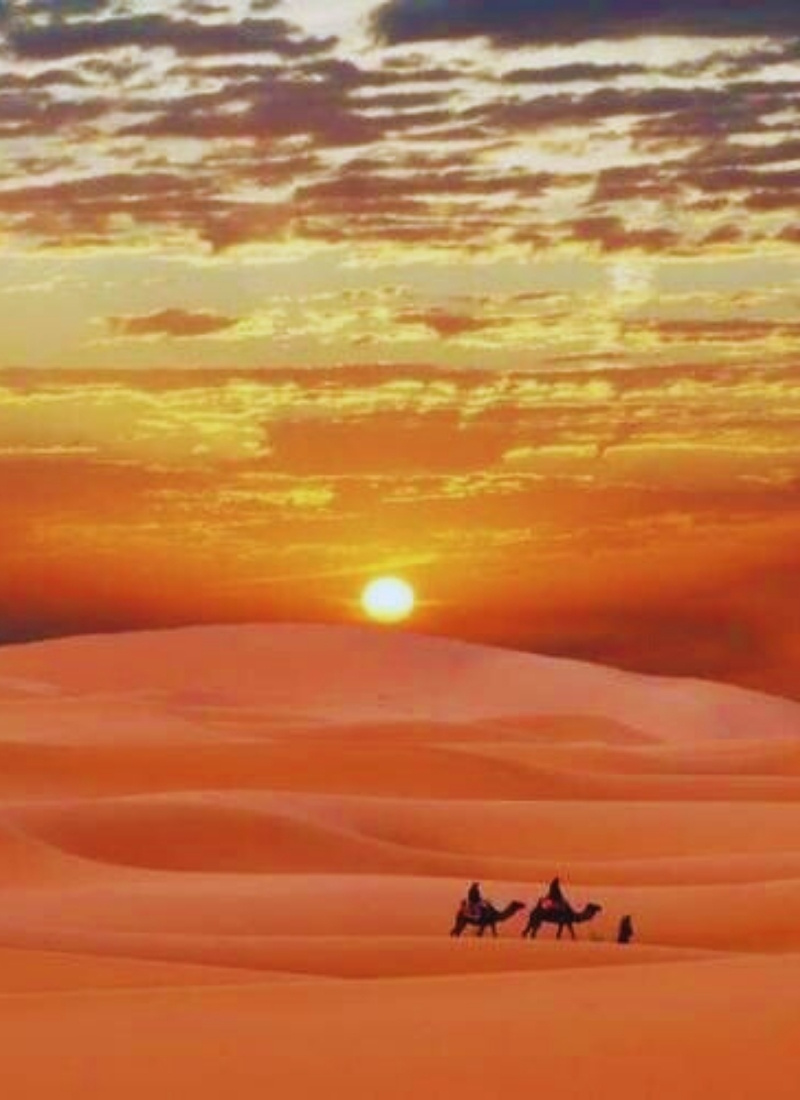
Merzouga is the gateway to the magical Sahara Desert, where endless golden dunes stretch as far as the eye can see. This is where your desert dreams come true camel trekking at sunset, spending the night in a traditional Berber camp, and watching the stars light up the sky.
The Erg Chebbi dunes near Merzouga are among the most beautiful in Morocco, offering unforgettable experiences and breathtaking views. Whether it’s the silence of the desert or the warmth of local hospitality, Merzouga promises a truly unique adventure.
people also ask
What is the Morocco Rose Festival?
The Morocco Rose Festival is an annual celebration held in El Kelaa M’Gouna in the Dades Valley. It celebrates the blooming of Damascus roses, which are used to produce rose water, perfumes, and cosmetics.
Where is the Rose Festival celebrated?
It is celebrated in El Kelaa M’Gouna, located in the Dades Valley in southern Morocco, known as the “Valley of Roses.”
What happens during the Rose Festival?
The festival includes traditional music, folk dances, parades, beauty pageants, rose product exhibitions, and cultural celebrations showcasing Amazigh heritage.
Why is the Rose Festival important in Morocco?
It is important because it celebrates the local rose harvest, supports the economy of the region, and promotes traditional products like rose water and essential oils.
Can tourists visit the Rose Festival?
Yes, tourists are welcome and it is one of the most popular cultural festivals in Morocco, attracting visitors from around the world
The Morocco Rose Festival in El Kelaa M’Gouna is more than just a celebration of flowers it is a vibrant cultural event that highlights the beauty, traditions, and heritage of the Dades Valley. Every year in May, locals and visitors come together to enjoy the blooming rose season, traditional music, Amazigh culture, and unique handmade rose products. It is a special experience that combines nature, culture, and hospitality, making it one of the most charming festivals in Morocco and a must-visit destination for travelers