“Morocco is one of the most affordable jewels in the world but only if you know what to expect.”
From the labyrinthine alleyways of Fès to the wind-scraped dunes of the Sahara, Morocco has been captivating travellers for centuries. But one question dominates every planning conversation: how much does it actually cost?
The honest answer is that Morocco can be whatever your wallet needs it to be. You can sleep in a lantern-lit riad for $10 a night and eat a steaming bowl of harira for under $2, or you can check into a palace hotel with a private plunge pool and spend $500 before lunch. Very few destinations in the world offer that range.
This guide cuts through the confusion. Whether you’re a backpacker counting dirhams or a couple planning a honeymoon with no ceiling, we’ll show you exactly what to budget category by category so you can plan with confidence.

How Much Does Morocco Cost Per Day?
Morocco ranks comfortably as one of the most affordable countries in the Mediterranean world. Compared to Europe or North America, your money goes significantly further — but prices vary hugely depending on your travel style.
Budget
$30–60
per person / day
- Hostel dorm or simple guesthouse
- Street food & local cafés
- Public buses & shared taxis
- Self-guided sightseeing
Mid-Range
$70–150
per person / day
- Comfortable riad or boutique hotel
- Good local restaurants
- Petits taxis + occasional car hire
- Guided tours & excursions
Luxury
$200+
per person / day
- Five-star riads & palaces
- Fine dining, rooftop restaurants
- Private drivers & transfers
- Exclusive desert camps
A one-week trip typically costs around $626 for a solo traveller and $1,251 for two people at mid-range covering accommodation, food, local transport, and sightseeing. Spend two weeks and the per-day cost often drops as you travel slower and more efficiently.
Morocco is very affordable compared to Europe or North America, especially if you eat local food and use public transport. You can genuinely live well on $30–$60 a day — and live brilliantly on $150.

Where to Sleep
Accommodation Costs in Morocco
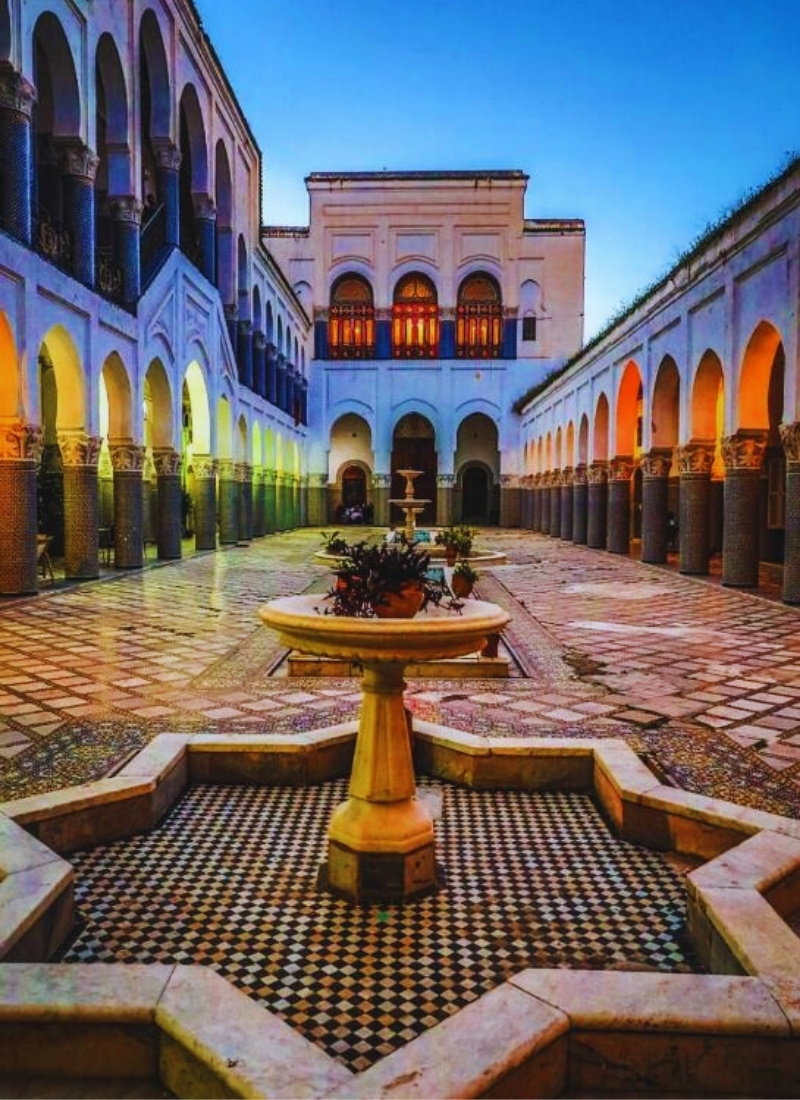
Accommodation is where Morocco most dramatically defies expectations. The riad a traditional townhouse built around a central courtyard is Morocco’s signature stay. Staying in one connects you directly to Moroccan domestic culture, and they cost a fraction of what you’d pay for equivalent charm in Europe.
| Type | Description | Cost / Night |
|---|---|---|
| Hostel dorm bed | Popular in Marrakech, Fès, Chefchaouen | $10–$25 |
| Budget riad / guesthouse | Private room, simple bathroom | $70–$120 |
| Mid-range riad | En-suite, rooftop terrace, breakfast | $120–$160 |
| Boutique hotel | Design-led, city centre | $80–$250 |
| Luxury palace hotel | Royal Mansour, La Mamounia style | $400–$800+ |
| Sahara desert camp (basic) | Includes dinner, breakfast, camel ride | $80–$120 |
| Sahara luxury glamping | Private tent, pool, gourmet meals | $200–$500 |
Money-Saving Tip: Choose Riads Over Chain Hotels
Riads in the medina consistently outperform international chain hotels on charm-per-dollar. A $60 riad in Fès will have hand-painted zellige tiles, a fountain courtyard, and a rooftop where you can watch the call to prayer drift over the ancient city. The equivalent chain hotel would cost three times as much and feel like nowhere in particular.
City pricing note: Marrakech is Morocco’s most expensive city for accommodation popular demand drives prices up, particularly around Jemaa el-Fnaa. You’ll find better value in Fès, Meknes, and Chefchaouen, where equally stunning riads cost noticeably less.
What to Eat
Food & Restaurant Costs
Moroccan food is a triumph of slow cooking, spice, and generosity. It is also extraordinarily affordable when you eat where the locals eat. The gap between a street stall and a tourist restaurant can be tenfold — same tagine, very different price tag.
| Food / Drink | Where | Cost |
|---|---|---|
| Mint tea (pot) | Any café | $2–$3 |
| Harira soup + bread | Street stall | $1–$2 |
| Merguez sandwich / msemen | Street food | $3–$4 |
| Budget lunch (tagine) | Local medina restaurant | $10–$25 |
| Mid-range dinner for two | Good local restaurant | $20–$40 |
| Dinner at tourist restaurant | Djemaa el-Fna, tourist zones | $25–$50/person |
| Fine dining dinner | Rooftop, high-end riad restaurant | $50–$70/person |
| Bottled water (1.5L) | Shop / supermarket | $0.50–$1 |
| Couscous Friday lunch | Family restaurant | $4–$10 |
Food Tips from Experienced Travellers
- Always drink bottled water — tap water is not safe for tourists in Morocco.
- The medina’s inner streets have far cheaper food than the main squares. Walk two alleys away from Jemaa el-Fnaa and prices halve.
- Friday couscous is a Moroccan institution — seek out a family restaurant around midday for the most authentic, generous, and affordable meal of your trip.
- Alcohol is available in Morocco but limited to licensed venues and expensive budget $5–10 per drink at tourist bars.
- Fresh-squeezed orange juice at Marrakech’s market stalls is famous for good reason — and costs under $1 a glass.
hings to Do
Activities, Tours & Experiences
Morocco’s greatest experiences range from almost free (wandering a medina, hiking to a waterfall) to genuinely splurge-worthy (a private Sahara camp under a blanket of stars). The sweet spot for most travellers sits in the middle.
| Activity | Details | Cost |
|---|---|---|
| Medina exploration | Wandering is free; Fès & Marrakech medinas | Free |
| Bahia Palace, Marrakech | Entrance | ~$10 |
| Saadian Tombs, Marrakech | Entrance | ~$10 |
| Fès tanneries view | Via leather shop terrace (free with visit) | Free |
| Majorelle Garden, Marrakech | YSL’s iconic blue garden | ~$17 |
| Ouzoud Waterfalls day trip | From Marrakech, shared tour | $30–$40 group tours / private 120$ |
| Sahara desert tour (2 nights) | Shared, Merzouga — camel + camp | $80–$150 group tours /private $500 |
| Mount Toubkal trek (2 days) | Guide required above base camp | $120–$200 |
| Hammam (traditional bath) | Local hammam; tourist spa versions more | $3–$25 |
| Cooking class | Half-day with market visit | $40–$80 |
| Aït Benhaddou guided visit | UNESCO kasbah, Game of Thrones location | $15–$25 group tour / 150 private |
Where to Go

Morocco’s Top Destinations & Their Costs
Each major destination has its own price personality. Here’s what to expect as you move around the country.
Marrakech
Most Visited · Highest Prices
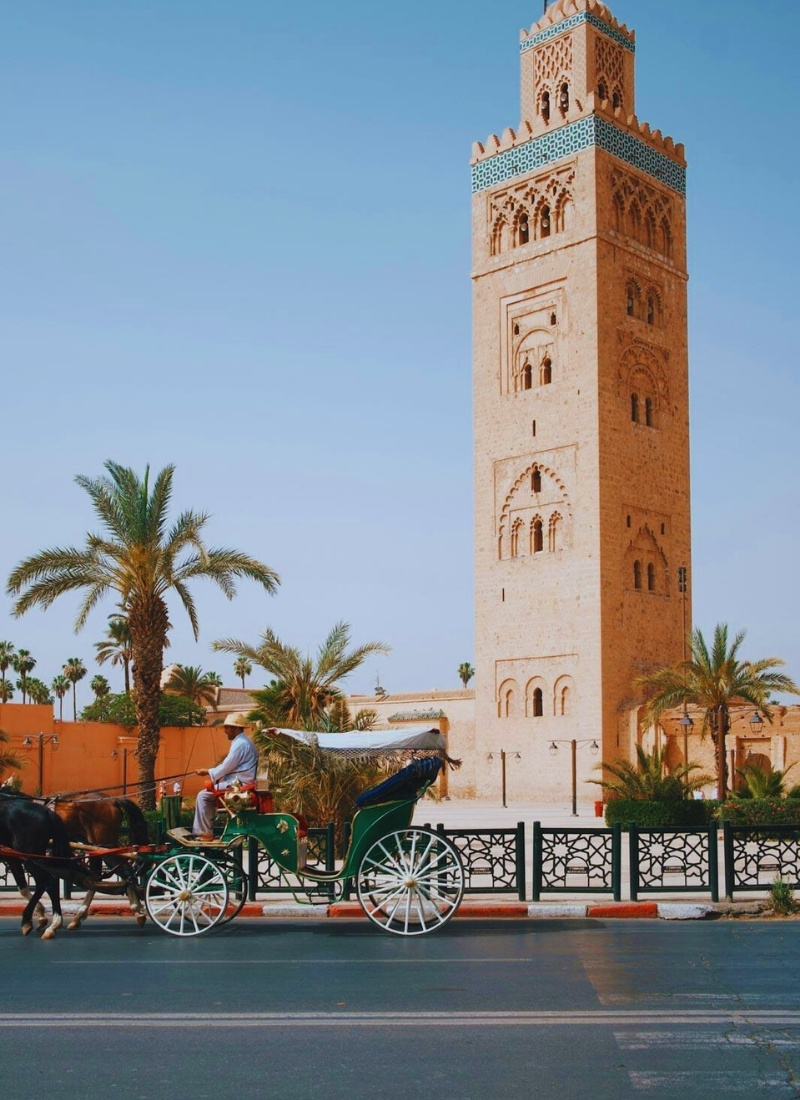
Morocco’s most famous city and its most expensive. The Jemaa el-Fnaa square, souks, and world-class riads come at a premium. Accommodation costs 15–30% more than elsewhere. That said, street food remains cheap and medina wandering is free. Budget $50+/day; mid-range $100–150/day.
Fès
Cultural Capital · Great Value
The spiritual heart of Morocco and arguably its most extraordinary city. Fès el-Bali is the world’s largest living medieval city and a UNESCO World Heritage Site. Prices are 10–20% lower than Marrakech for equivalent riads. Don’t miss the tanneries and the Bou Inania madrasa.
Chefchaouen
Blue City · Budget Friendly
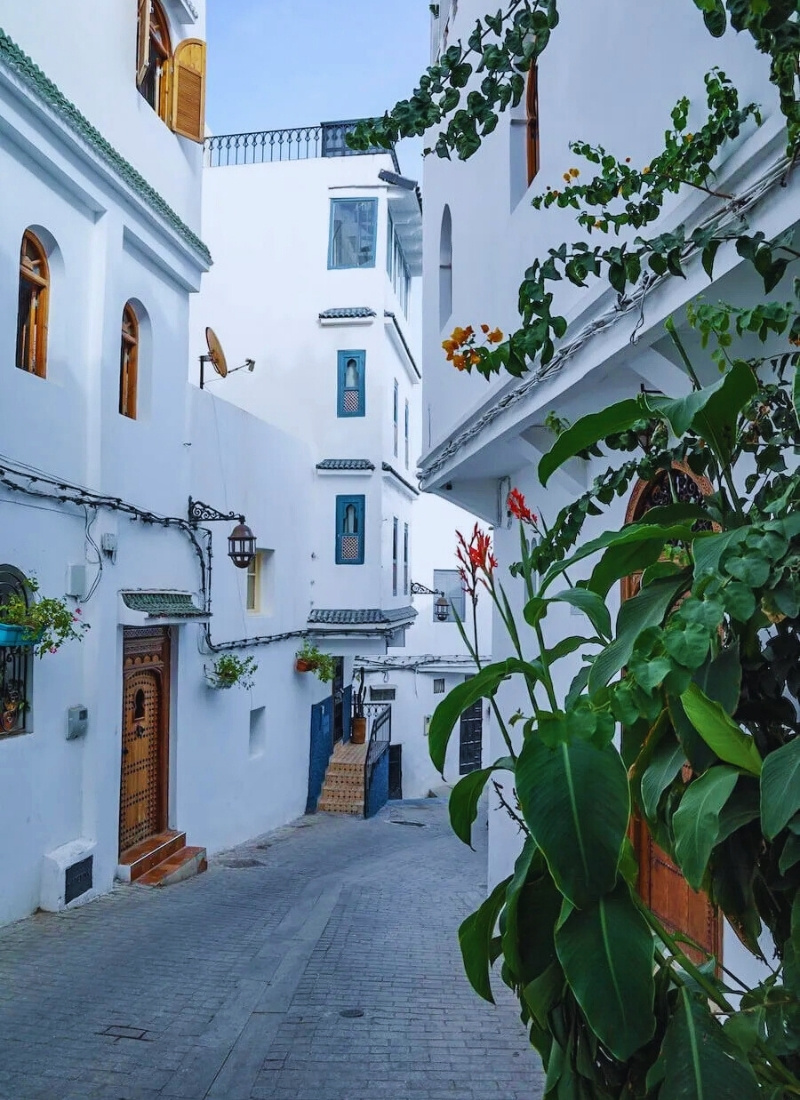
Nestled in the Rif Mountains, Chefchaouen’s famous blue-painted medina is one of Morocco’s most photogenic spots. It’s also one of the most affordable cities in the country — excellent budget guesthouses for $25–$40/night, and a relaxed pace that encourages slow travel.
Merzouga / Sahara
Desert Gateway · Splurge-Worthy
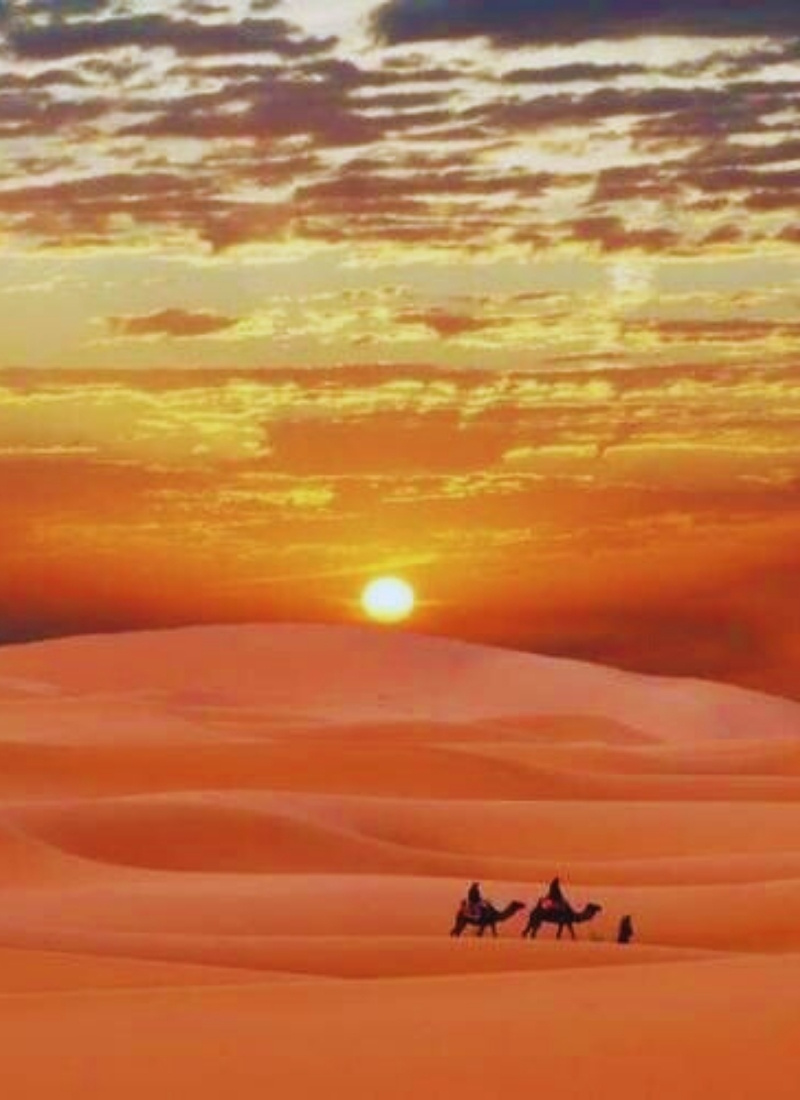
The dunes at Erg Chebbi near Merzouga are the destination for a Sahara experience. A night in the desert — camel ride included — is the single experience most travellers say justified the entire trip. Shared tours are affordable; luxury private camps can reach $300+/night.
Essaouira
Coastal Wind City · Relaxed Vibe
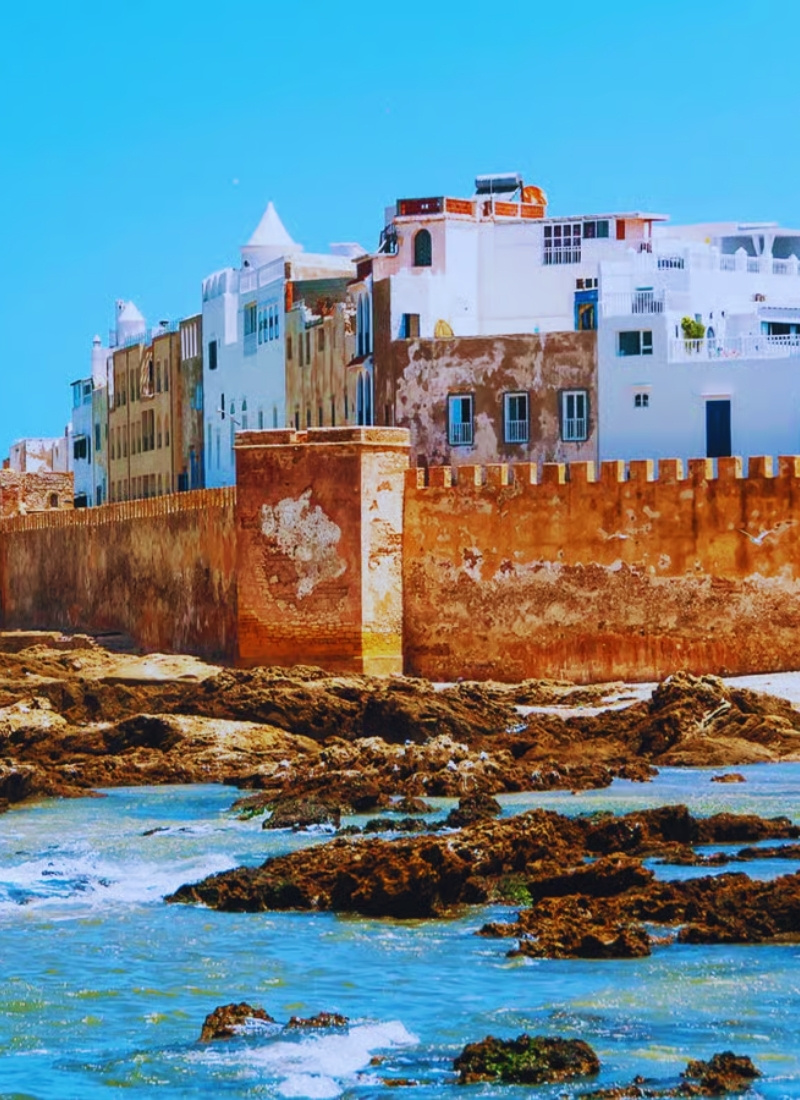
This Atlantic coastal city is beloved by surfers, artists, and travellers seeking relief from the Marrakech intensity. Prices are moderate, the seafood is excellent, and the fortified medina and white-and-blue architecture offer a quieter, breezy alternative to the imperial cities.
Casablanca
Modern City · Most Expensive
Morocco’s commercial capital is its most expensive city for accommodation and dining — but it’s rarely on a classic tourist itinerary. The Hassan II Mosque, one of the world’s largest, is the standout attraction and worth a visit. Most travellers pass through rather than base themselves here.
Timing Your Trip
Best (and Cheapest) Time to Visit Morocco
Morocco’s climate varies dramatically by region and season, which affects both comfort and cost. Peak tourist season brings higher prices — but shoulder season offers the best balance of weather and value.
Best Value
March – May
Spring ✦
High Season
Jun – Aug
Summer
Also Great
Sep – Nov
Autumn ✦
Quietest
Dec – Feb
Winter
Spring (March–May) is widely regarded as the ideal time to visit — mild temperatures across the country, wildflowers blooming in the Atlas Mountains, and prices 10–20% lower than peak summer. The Sahara is comfortable rather than scorching.
Summer (June–August) brings intense heat (Marrakech regularly hits 38–42°C) but also the highest tourist numbers and prices. The coast Essaouira, Agadir is more comfortable. The Sahara in summer is brutally hot and not recommended for daytime excursions.
Autumn (September–November) mirrors spring in quality: temperatures cool, crowds thin, and prices soften. October is a particularly sweet spot the desert has cooled enough for comfortable dune walks and the Atlas is stunning in autumn light.
Winter (December–February) is the quietest season and the cheapest for accommodation. The north and mountains can be genuinely cold (Chefchaouen sees occasional snow). Marrakech is mild and manageable. This is a good time for a budget trip if you don’t mind some grey skies.
Expert Tips to Travel Morocco for Less
The Budget Traveller’s Morocco Playbook
- Eat local, eat well:Street food and medina cafés offer the same authentic flavours as tourist restaurants at a quarter of the price. A full tagine with bread costs $4 at a local spot; the same dish overlooking Jemaa el-Fnaa costs $15.
- Book riads directly:Booking platforms add 15–20% commission. Many riads offer better rates and complimentary extras (airport pickup, breakfast) for direct bookings via email or WhatsApp.
- Use public transport between cities:CTM and Supratours buses are comfortable, safe, and dramatically cheaper than private transfers. The Marrakech–Fès bus costs $15; a private transfer runs $150+.
- Bargain politely in the souks:Medina market prices are not fixed. Start your counter-offer at 40–50% of the asking price and negotiate from there. Walk away slowly — it often brings the seller back with a better offer.
- Travel in shoulder season:March–April and October–November offer the best weather-to-price ratio. High-demand periods like Christmas and Easter push riad prices up 30–50%.
- Always agree taxi fares in advance:Petit taxis should use meters, but many drivers prefer fixed tourist prices. Settle the fare before getting in, or insist on the meter. From the Marrakech medina to Gueliz should cost no more than $3.
- Carry small change in dirhams:Many smaller stalls, hammams, and local cafés don’t accept cards. ATMs are widely available in cities but may charge fees withdraw larger amounts less frequently.
- Join shared tours to the Sahara:
Sample Weekly Budget: What a Trip Actually Costs
Budget Week (Solo, 7 nights): ~$500–$600
Hostel dorms averaging $12/night ($84), street food and local cafés at $12/day ($84), public transport between 3 cities ($150), one shared Sahara tour ($90), medina entrance fees and hammam ($25), miscellaneous ($30).
Mid-Range Week (Couple, 7 nights): ~$1,200–$1,800
Comfortable riad averaging $90/night ($630), restaurant meals at $35/day per couple ($245), mix of buses and petits taxis ($150), guided day tours and desert excursion ($200), activities and shopping ($150).
Luxury Week (Couple, 7 nights): ~$3,500–$6,000+
Premium riads and boutique hotels at $300–500/night ($2,100–$3,500), fine dining at $80–120/day ($560–840), private driver ($800–1,000), private desert glamping ($400–600), spa treatments and curated experiences ($400+). Total per couple: varies widely.
Frequently Asked Questions
Is Morocco cheaper than Europe?
Significantly. Accommodation, food, and local transport all cost a fraction of European equivalents. A good riad dinner in Fès costs what a mediocre pizza in Rome does. Even luxury Morocco is affordable by Paris or London standards.
What currency does Morocco use?
The Moroccan Dirham (MAD). As of 2026, roughly 10 MAD equals $1. The dirham is not freely convertible, so you’ll need to exchange money inside Morocco. ATMs are widely available in all major cities. Street money changers offer slightly better rates but carry real risk of being shortchanged — use official bank ATMs or hotel exchange desks.
Is tipping expected in Morocco?
Yes, tipping is customary. For guided half-days, 50–100 MAD ($5–$10) is appropriate; full-day guides typically receive 100–200 MAD. At restaurants, 10% is the norm if service isn’t included. Leave a few dirhams for hammam attendants and hotel porters.
Is Marrakech more expensive than other Moroccan cities?
Yes — Marrakech is consistently the priciest city in Morocco due to tourism demand. Hotels, restaurants, and guided tours cost noticeably more than in Fès, Chefchaouen, or Meknes. Budget travellers will find better value in any other Moroccan city.
Do I need to bargain? Is it uncomfortable?
Bargaining is expected in the souks and markets — prices are deliberately set high as a starting point for negotiation. It needn’t be stressful: stay polite, smile, and approach it as a cultural exchange rather than a confrontation. Fixed-price shops exist too; they’re usually labelled as such.
Is Morocco safe for tourists?
Morocco is generally safe and welcoming for tourists. The main concern in medinas is persistent touts and occasional petty theft in crowded areas — keep valuables secure and be firm but polite with unsolicited guides. Tourist areas are well-monitored and the country has a stable, tourism-friendly government.
lcohol available and how much does it cost?
Alcohol is available in Morocco but limited to licensed venues — mainly tourist hotels, upscale restaurants, and some bars in larger cities. It is not available in medina restaurants or traditional cafés. Prices are high relative to food: expect $4–8 per beer or $8–15 per cocktail.
Is Morocco Worth the Money?
Morocco is not just affordable — it is one of the most outstanding value travel destinations on the planet. For what you spend, you receive ancient cities of staggering beauty, landscapes that shift from Atlantic coast to snow-capped mountains to Saharan dunes, food of extraordinary depth and warmth, and a culture that will stay with you long after you return home.
The question “Is Morocco expensive?” almost answers itself when you consider what $60 a day delivers: a lantern-lit riad room with a carved plaster ceiling, a pot of mint tea at sunset, a bowl of slow-cooked lamb tagine, an afternoon lost in a 1,000-year-old medina, and a shared taxi into the Sahara dunes. In Paris, that $60 might get you a mediocre hotel room and a sandwich.
Morocco can be as cheap as $30 a day for determined backpackers, or as luxurious as $500 a day for those chasing palace hotels and private desert camps. Most travellers find their sweet spot somewhere in between — and leave feeling they underpaid for the experience.
Morocco doesn’t just offer good value. It offers the particular magic of a place where history, hospitality, landscape, and cuisine all combine into something that feels quite genuinely like nowhere else on earth.
Whatever your budget, plan carefully, travel at the right season, eat where the locals eat, and give yourself enough time to wander without an agenda. That is when Morocco reveals itself most completely and most generously.